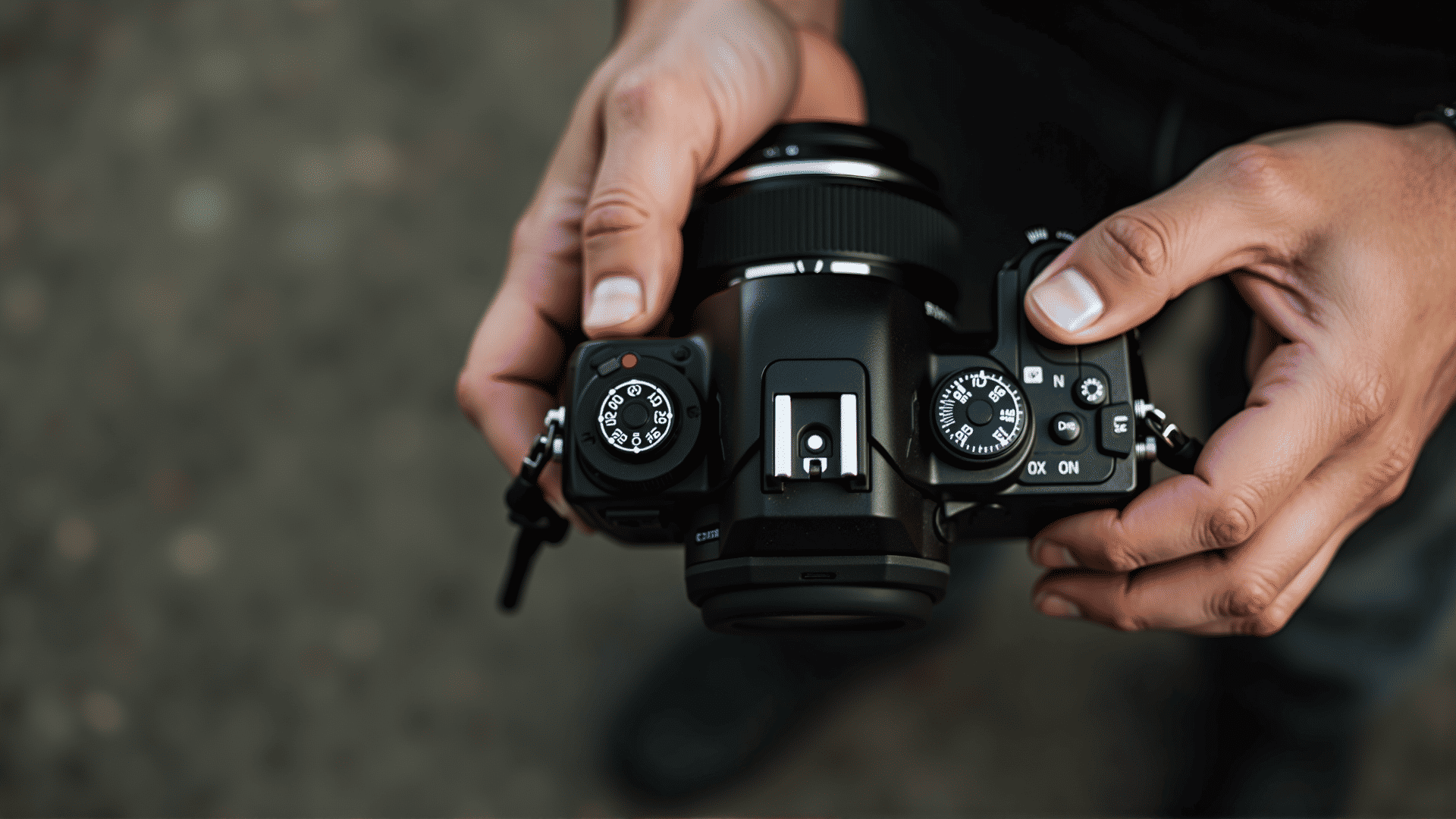
Embarking on the journey of photography can be both exciting and somewhat daunting, especially when faced with the array of settings and features on a modern camera. Mastering the basics of camera handling is crucial in capturing those stunning shots that stir emotion and tell a story. This guide will help you gain a deeper understanding of your camera’s functions and how to use them to their full advantage.
Understanding Camera Modes
Most cameras come with several modes that cater to different shooting conditions. These modes are generally found on the mode dial and include options like Manual (M), Aperture Priority (A or Av), Shutter Priority (S or Tv), and Program (P). Understanding these modes is foundational:
- Manual Mode (M): Grants full control over all settings. Perfect for experimenting and when you need total command over the lighting and exposure.
- Aperture Priority (A or Av): You choose the aperture, and the camera selects the appropriate shutter speed. Great for controlling depth of field.
- Shutter Priority (S or Tv): You select the shutter speed, and the camera picks the aperture. Ideal for capturing motion, whether freezing or blurring it.
- Program Mode (P): Offers a balance between automation and control, allowing the camera to set aperture and shutter speed while you adjust other settings.
Mastering Focus
Focus is crucial in ensuring your images are sharp where they need to be. Modern cameras typically offer various focus modes, such as:
- Single-Shot AF: Perfect for stationary subjects, holding focus until you take the picture.
- Continuous AF: Designed for moving subjects, adjusting focus as they move.
- Manual Focus: Allows complete control, suitable for finely-tuned compositions and tricky lighting conditions.
Paying attention to the point of focus and adjusting it based on your subject is vital for achieving clear and stunning photographs.
Embracing ISO
ISO determines your camera's sensitivity to light. Lower ISO values are ideal for bright conditions, reducing noise and improving image quality. Conversely, higher settings may introduce grain but are helpful in low-light situations. Finding the balance between ISO and other settings like aperture and shutter speed is key for well-exposed images without sacrificing clarity.
Leveraging White Balance
White balance affects the color tone of your images and is crucial for ensuring that whites appear true to life. Most cameras come with presets such as Daylight, Cloudy, Tungsten, and Fluorescent. Understanding how each setting impacts your photograph will allow you to achieve the desired mood and atmosphere right in the camera.
Composing Your Shots
Once you have a good grasp on technical settings, composition becomes your next focus. Techniques such as the Rule of Thirds, leading lines, and framing can guide the viewer’s eye and create more dynamic images. Experimentation and practice with different compositions will gradually enhance your artistic skill.
Harnessing Natural Light
Understanding how light interacts with your subject can drastically elevate your photography. Observe how shadows and highlights dance across a scene and use natural light to your advantage. Golden hours, the period shortly after sunrise or before sunset, offer soft and warm lighting that can produce truly magical photographs.
Conclusion
Photography is an evolving journey, one that combines technical skill with creative vision. As you continue to explore and practice, you will discover your unique style that reflects how you see the world. Embrace the learning process, experiment boldly, and most importantly, enjoy every moment you spend behind the lens.