Lighting plays an essential role in the realm of photography, capable of transforming simple scenes into captivating works of art. The gentle sway of light can completely change the perception of an image, adding depth, emotion, and a new perspective to the familiar. Whether capturing the subtle glow of the early morning or employing the controlled intensity of artificial sources, light holds the power to elevate the ordinary into the extraordinary.
Natural lighting is often favored for its authentic tones and the dynamic interplay it offers. It is ever-changing, providing different aesthetics throughout the day. Morning light tends to be soft and warm, casting gentle shadows and producing a calm and serene atmosphere. This time of day is ideal for capturing portraits or landscape photography, where the unobtrusive light complements the subject without overwhelming it.
During midday, the sun sits high in the sky, casting harsh and direct light. While this can be challenging, it also presents creative opportunities. Photographers can use this light to emphasize textures or create striking high-contrast images. The harsh shadows are perfect for conveying drama and a sense of tension in a photograph.
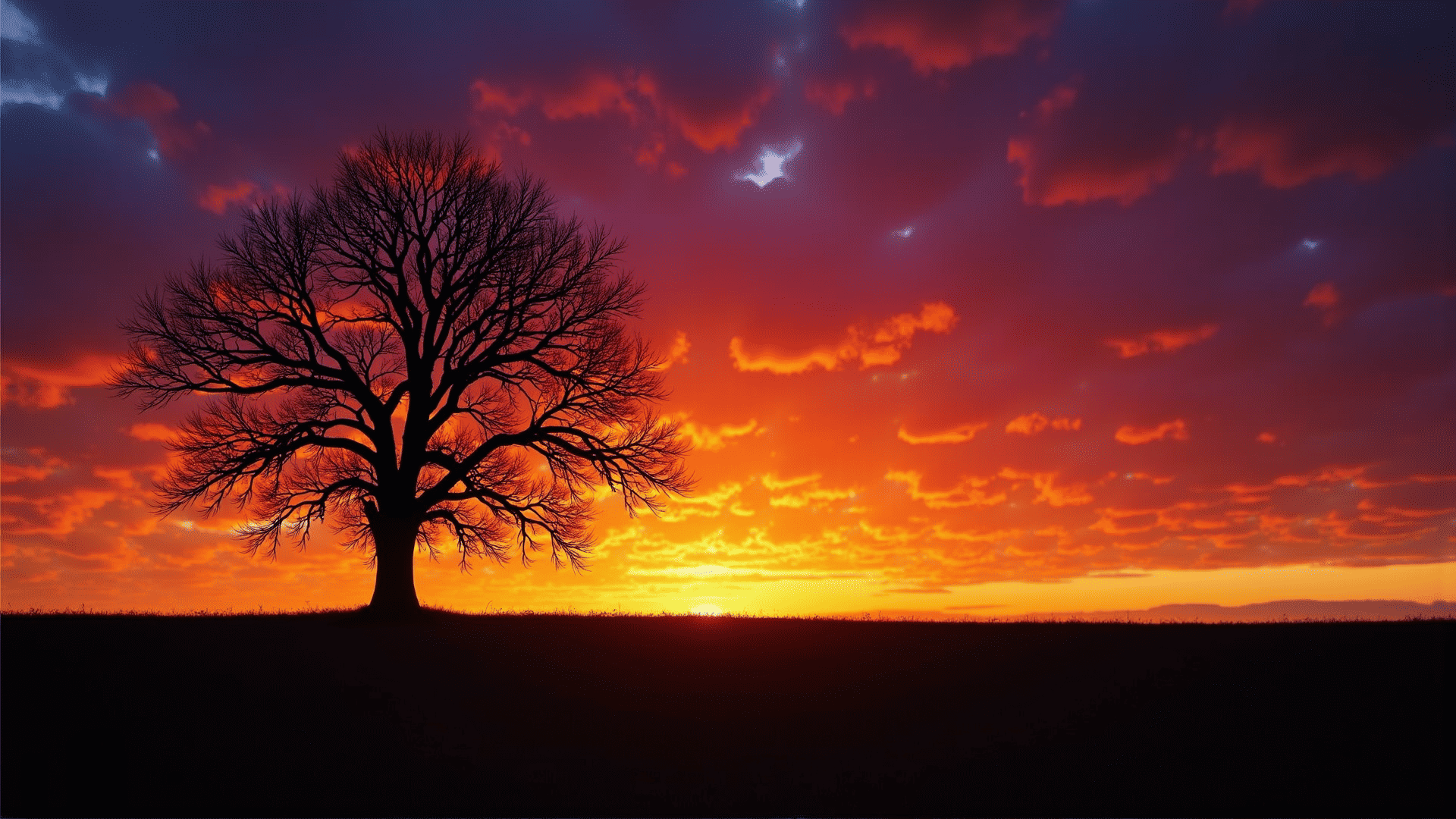
The golden hour, occurring just after sunrise or just before sunset, is a cherished time for photographers. The angle of the sunlight creates a golden hue that bathes subjects in a warm and inviting glow. This light is softer and more forgiving, often enriching colors and smoothing out the harshness of direct sun. It’s a magical time to capture outdoor portraits or landscapes, lending a harmonious and ethereal quality to photos.
On the other hand, artificial lighting offers a controlled environment where the intensity, color, and direction of light can be manipulated to suit the photographer’s vision. Studio lighting allows for consistent results, essential for fashion, product, or indoor portrait photography, where precision and control are paramount.
Techniques such as using diffusers can soften the intensity of artificial light, mimicking the effects of natural light. Reflectors can bounce and direct light to fill shadows, adding depth and interest. Creative use of artificial sources can also bring about striking effects, like colored gels that add vibrant hues and dynamic flair, transforming the atmosphere of the image.
One of the most compelling techniques in both natural and artificial lighting is the use of chiaroscuro, which plays with strong contrasts between light and dark to create a dramatic effect. This method draws the viewer’s eye to the illuminated areas while hinting at details in the shadows, adding a mysterious and evocative quality to the photograph.
Understanding the nuances of lighting requires a keen eye and a willingness to experiment. It’s a journey to discover how light interacts with a subject, how it affects mood, and how it can be harnessed to tell a compelling story. Whether basking in the natural glow of a sunset or mastering the controlled intensity of studio lights, learning the intricacies of lighting transforms the lens of a camera into a brush, with light painting the canvas of reality into art.