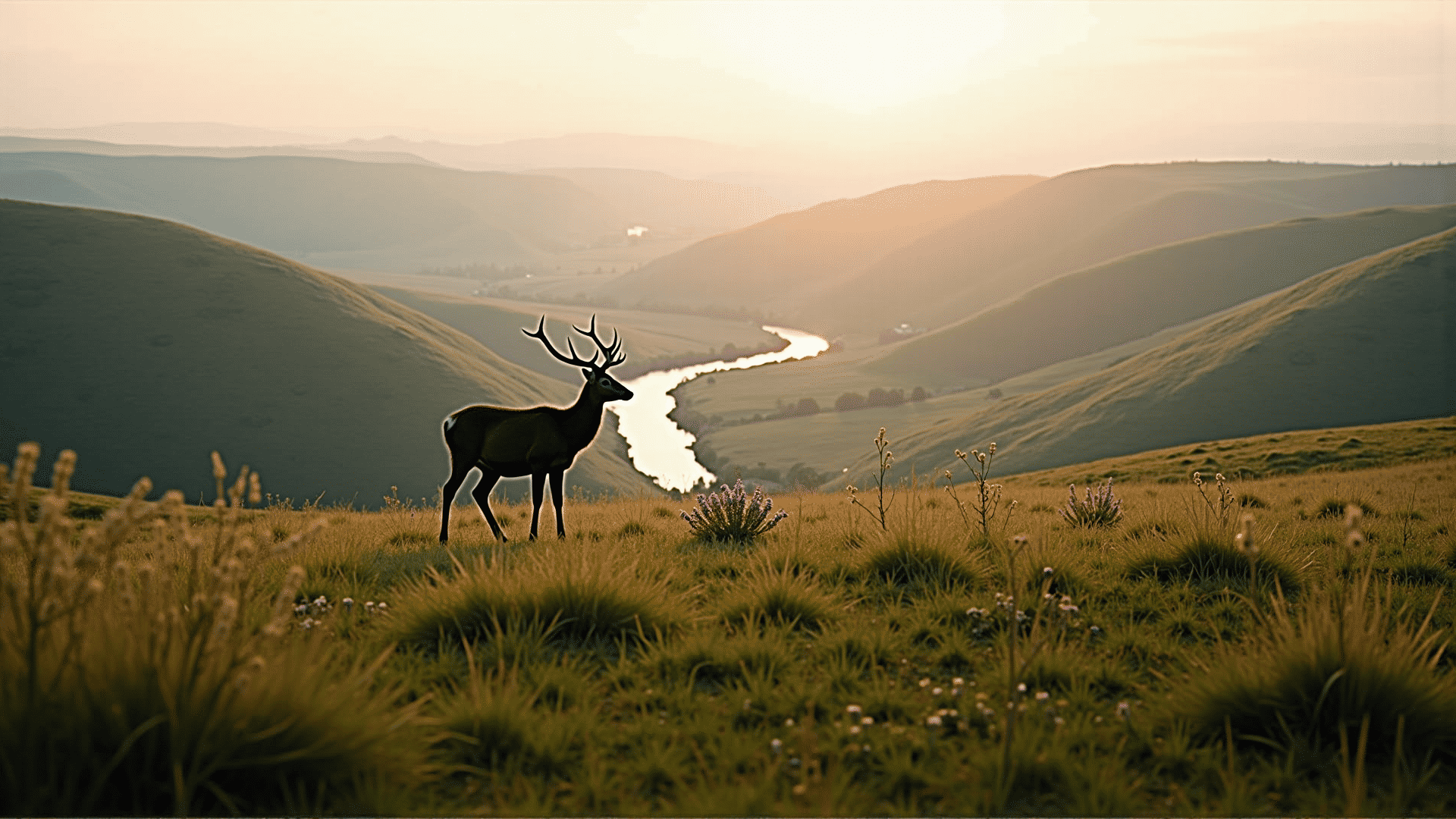
In the splendid tapestry of the natural world, there exists a raw and unfiltered beauty that speaks volumes to those who pause long enough to appreciate it. Nature’s finest spectacles lie within its vibrant wildlife and its awe-inspiring landscapes, each narrating a story of its own through color, form, and movement. Capturing this essence on camera is an art that not only requires technical prowess but a profound connection with the environment.
The majestic fauna that traverses the earth, skies, and seas is a testament to the diversity of life that thrives across our planet. Every creature—from the elusive snow leopard silently prowling the icy ridges of the Himalayas to the flamboyant macaw soaring through the dense Amazon rainforest—brings with it a unique blend of grace and intrigue. Wildlife photography transcends the mere act of taking a picture; it demands patience, understanding, and a silent communication with the animal kingdom.
The journey of photographing wildlife often leads to remote and breathtaking locations. These landscapes, sculpted by time and elemental forces, provide a backdrop that is as integral to the photography as the subject itself. The perfect shot of a lioness might be complemented by the warm earth tones of the savannah basking in the golden glow of sunrise. Similarly, the haunting call of a loon might echo more poignantly against the mirrored calm of a mist-laden lake.
To encapsulate these moments, photographers must become part of the ecology they are documenting. This means respecting the habitats and behaviors of the species they aim to capture. The ethical dimension of wildlife photography is crucial; it safeguards the environment while ensuring the authenticity of the experience. Photographers must tread lightly, acting as guardians of nature’s narratives rather than disturbers.
Landscape photography, on the other hand, demands a different rhythm. It's about finding harmony with the land, aligning one’s vision with the cycles and moods of the earth. The most compelling images often emerge during the transient magic of dawn and dusk, where light dances delicately across the peaks of mountains, the swells of oceans, and the expanses of desert sands. Mastering this genre means learning to listen to the way wind whispers through the valleys or how clouds cast playful shadows over a patchwork of fields.
Both forms of photography are intertwined through the shared language of light, composition, and moment. They rely on the artist's ability to perceive balance and harmony, to harness the ephemeral beauty of a moment that, once captured, becomes immortalized. It's about finding the extraordinary within the ordinary—the vivid axis between the living creatures and their habitats.
In embracing the art of capturing wildlife and landscapes, one gains not just the ability to create images, but also a deeper appreciation for the world in its untouched form. It’s a journey of discovery, where each frame not only tells a story of natural wonder but reminds us of our place within this vast and delicate ecosystem. Through the lens, nature becomes a boundless canvas, inviting us to witness and cherish its ever-unfolding artistry.