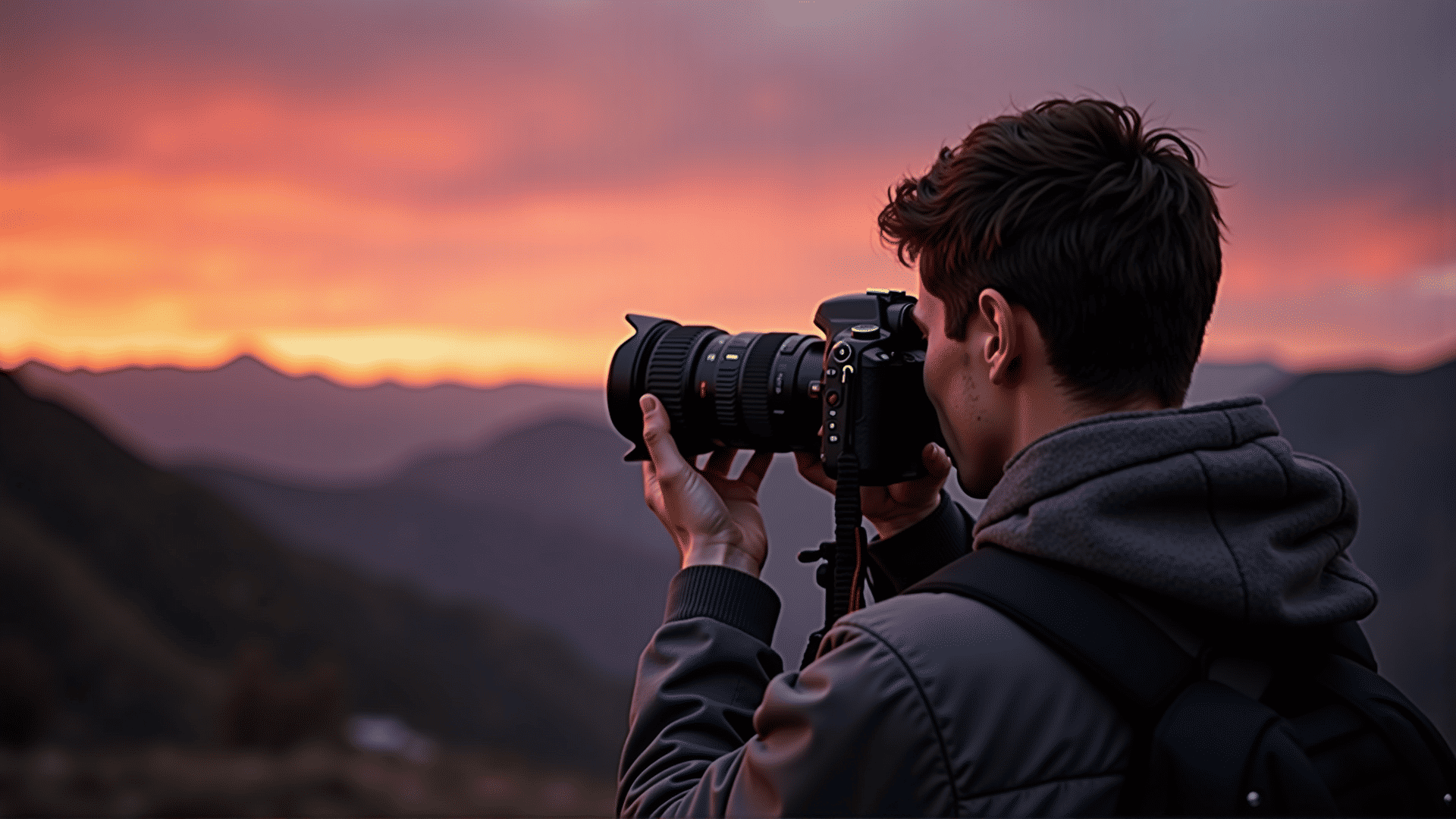
Photography is a vibrant art form that enables individuals to capture moments, express creativity, and convey stories through visual imagery. Delving into various techniques can empower you to enhance your photography skills, whether you're an amateur or a seasoned photographer. Let's explore some essential techniques that can help you unlock your creative potential and express your artistic vision.
Composition and Framing
One of the foundational techniques in photography is understanding composition. The rule of thirds is a popular compositional tool where an image is divided into nine equal segments, using two horizontal and two vertical lines. Placing the subject or key elements along these lines or their intersections creates balance and interest in the photograph.
Framing involves using elements within a scene to create a “frame” around the subject. This technique draws attention to the subject and adds depth to the image. Natural frames such as trees or man-made structures like windows and doors can be used effectively in various settings.
Lighting and Exposure
Mastering lighting is crucial for capturing stunning photographs. Natural light is often preferred as it can bring out the true colors and textures in a scene. The golden hour, just after sunrise or before sunset, is particularly favored by photographers for its soft, warm lighting.
Understanding exposure involves balancing three elements: aperture, shutter speed, and ISO. Aperture controls the depth of field, allowing you to emphasize or isolate your subject. Shutter speed can freeze motion for sharp images or create a sense of movement with longer exposures. ISO affects the camera’s sensitivity to light, and finding the right balance can help reduce noise and grain in images.
Perspective and Angles
Experimenting with different perspectives can transform a mundane subject into an extraordinary one. Shooting from a low angle can make subjects appear larger and more imposing, while a high angle can give a sense of vulnerability or smallness. Consider moving around your subject and trying unconventional angles to create a unique viewpoint.
Elevating your shots using drones or shooting from high vantage points can offer a fresh perspective, particularly for landscape or architectural photography. This technique emphasizes a subject's scale and can introduce intricate patterns unseen from eye level.
Long Exposure and Motion
Long exposure photography is a technique that captures the movement of time. By using slow shutter speeds, you can create dramatic effects such as silky smooth waterfalls, star trails, or light painting. A sturdy tripod is essential in these scenarios to prevent camera shake and maintain clarity in the stationary parts of the image.
Capturing motion can also involve panning, where you move the camera to track a moving subject. This technique can effectively convey speed and direction, creating a dynamic blur in the background while keeping the subject sharp.
Post-Processing
Post-processing is an essential skill that complements your photography techniques. Editing software allows you to adjust colors, contrast, and sharpness while enhancing the mood of your photos. While it’s important to remain true to your artistic vision, strive for subtlety to maintain the natural essence of your images.
Understanding different photography techniques enhances not only technical skills but also your ability to articulate a narrative through photos. By experimenting and continually learning, you can develop a unique style that reflects your creative vision, transforming everyday moments into powerful works of art.